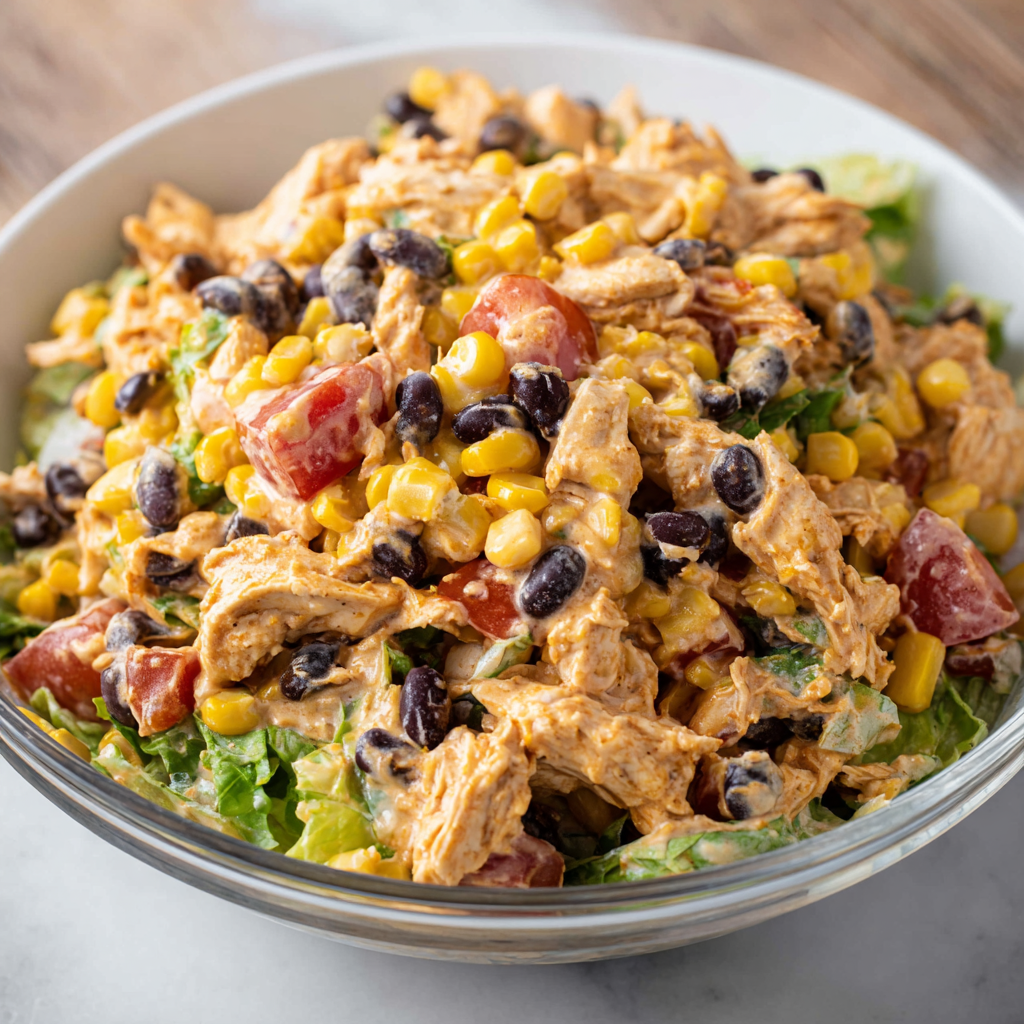
>>

Light, tender cookies made with creamy ricotta and bright lemon glaze—soft centers, delicate edges, and a subtle herbal lift from fresh basil.

This batch of ricotta cookies with lemon glaze became my springtime obsession the moment I tasted one warm from the oven. I first riffed on this combination on a bright Saturday afternoon while clearing out the fridge: a half carton of ricotta, a lemon with a thin sunny peel, and a handful of basil sprigs from the windowsill. The result was unexpected — a cookie that feels like a cross between a tender shortbread and a cake, with a delicate crumb and a moist, almost custardy interior thanks to the ricotta. My partner declared they were the kind of cookie that disappears if you turn your back for more than thirty seconds.
I love these for their texture and for how they hold up at gatherings. The lemon glaze adds a glossy, tart finish that balances the buttery sweetness, and the fresh basil is a tiny flourish that lifts the flavor in a way that feels grown-up but not fussy. I’ve made them for brunches, potlucks, and a late-night tea party; each time the recipe feels both nostalgic and new, a dessert that invites conversation and seconds. Below I share the exact method I use, plus my favorite tips for consistent results, storage, and seasonal twists.
I’ve served these to neighbors, to my book club, and to an aunt who only eats classic recipes — everyone asked for the recipe. The first time my seven-year-old suggested we bake an extra tray because they’d “mysteriously vanish,” I knew I had a keeper. The basil suggestion came from a farmer’s market discovery; it felt like the perfect herbaceous whisper with lemon.
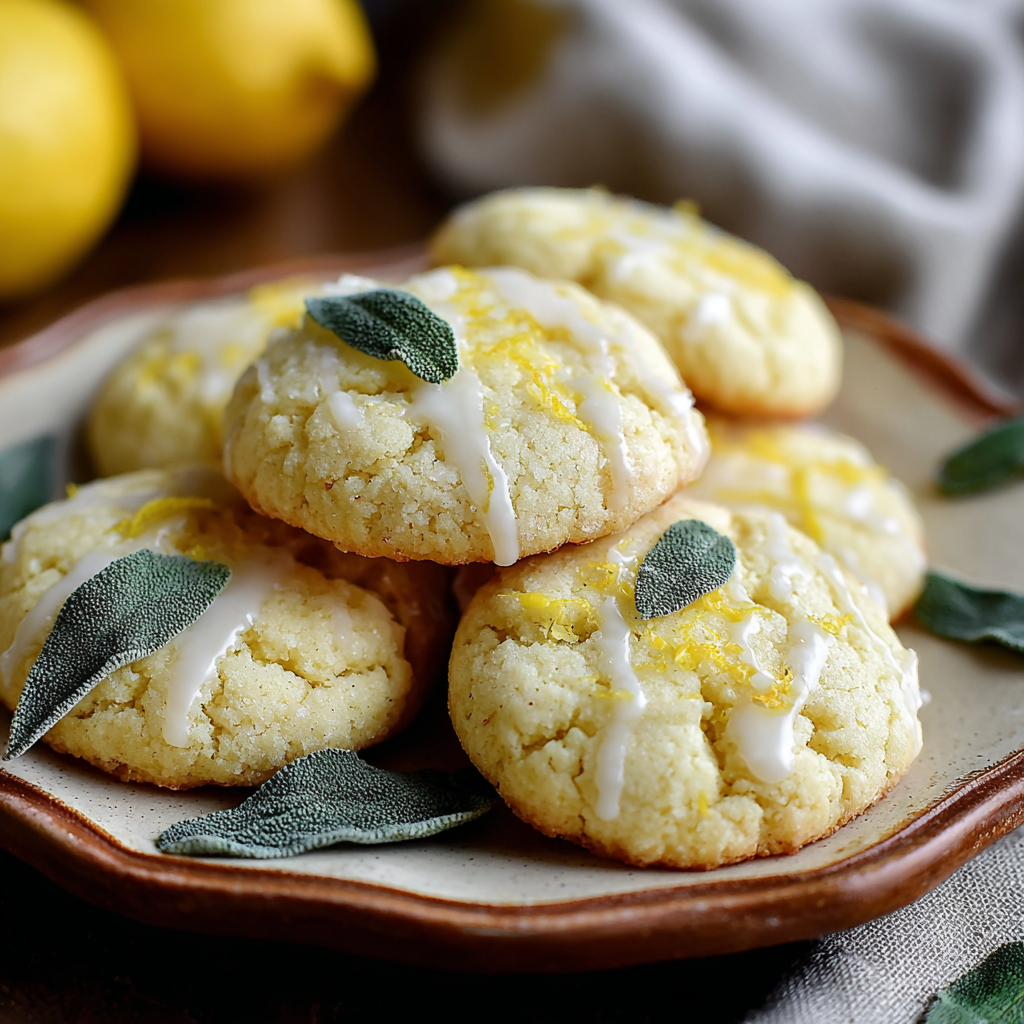
My favorite part is how reliably they charm a crowd: soft, pillowy centers and a tangy glaze that makes every bite feel celebratory. The basil was a happy accident that now feels essential — it gives a gentle herbal lift that keeps the cookie from being cloying. I often double the glaze because people tend to scrape plates clean.

Store glazed cookies in a single layer separated by parchment in an airtight container; glaze can stick if stacked immediately, so allow glaze to set for at least 30 minutes. At room temperature, cookies stay soft for up to 3 days; refrigeration extends freshness to 5 days but can slightly firm the crumb — bring to room temperature before serving to restore tenderness. For longer storage, freeze unglazed baked cookies in a single layer on a tray, then transfer to a freezer bag for up to 3 months; thaw overnight in the refrigerator and re-glaze before serving for best texture.
If you don’t have fresh basil, substitute 1 1/2 teaspoons finely grated lemon zest for a purely citrus-forward cookie. For a dairy-free alternative, use a plant-based ricotta (coconut or almond-based) and vegan butter, but expect slight differences: coconut ricotta is denser and may yield a slightly firmer crumb. Swap granulated sugar for a 1:1 sugar substitute like golden monk fruit for a lower-sugar option, remembering that texture and browning will change. If you want a more cakey cookie, add 1 tablespoon milk and increase baking time by 1–2 minutes.
Serve with a pot of Earl Grey or a floral green tea to complement the lemon and basil. These are lovely plated alongside fresh berries and a dollop of whipped mascarpone for brunch, or wrapped in parchment and tied with twine for gifts. Garnish with a tiny basil leaf or a thin slice of lemon peel for visual impact. For a dessert course, pair with a light dessert wine or prosecco; the acidity in the drink echoes the lemon glaze and refreshes the palate.
Ricotta cookies have roots in Italian-American baking where ricotta is often used in sweet and savory preparations. Traditionally found at family gatherings and coffee socials, these cookies echo the soft textures of Italian pastries, such as cassata and ricotta-filled cookies, but with an American cookie format — dropped and baked rather than filled. The lemon glaze is a common adaptation, bringing a bright, citrusy note reminiscent of southern Italian desserts that favor citrus and dairy pairings.
In spring and summer, highlight fresh herbs like basil or mint and use Meyer lemons for a fragrant, sweeter glaze. In autumn, swap basil for warm spices — 1/2 teaspoon cinnamon and a pinch of nutmeg — and use blood orange glaze for a seasonal twist. For the holidays, fold in 1/2 cup chopped toasted pistachios into the dough and top with a vanilla glaze for color and crunch.
Make the dough a day ahead and keep it refrigerated in an airtight container for up to 48 hours; allow 20 minutes at room temperature before scooping if it becomes very firm. Bake fresh the day of serving for the best texture, or bake in advance and freeze. Pack cooled cookies in single layers with parchment for easy transport — they’re perfect for potlucks and picnic baskets. Label containers with baking dates if freezing to keep track of freshness.
These cookies reward small touches — from the choice of ricotta to the amount of glaze — so don’t be afraid to experiment a little and make them your own. They feel like a gentle celebration in each bite.
Measure flour by spooning into the cup and leveling with a knife to avoid overpacking, which makes cookies dense.
Allow cookies to cool completely before glazing to prevent the glaze from melting off and becoming runny.
If you want taller cookies, chill the dough for 30 minutes before scooping to reduce spread.
This nourishing ricotta cookies with lemon glaze recipe is sure to be a staple in your kitchen. Enjoy every moist, high protein slice — it is perfect for breakfast or as a wholesome snack any time.
If your ricotta is watery, drain it in a fine mesh sieve for 15–30 minutes; excess whey can make the dough too loose.
Use 1 1/2 tablespoon lemon juice and reduce powdered sugar slightly to make a thinner glaze if needed; adjust to taste.
This Ricotta Cookies with Lemon Glaze recipe makes perfectly juicy, tender, and flavorful steak every time! Serve with potatoes and a side salad for an unforgettable dinner in under 30 minutes.
Preheat oven to 350°F (175°C). Line baking sheets with parchment paper and set aside to ensure even baking and easy cleanup.
In a medium bowl, whisk together 2 1/4 cups all-purpose flour and 1/4 teaspoon sea salt until combined and aerated.
Beat 1 cup unsalted butter with 1 cup granulated sugar on medium-high speed until light and fluffy, about 2–3 minutes; scrape the bowl once.
Mix in 1 large egg, 1 tablespoon fresh lemon juice, 2 tablespoons chopped basil, 1 teaspoon vanilla extract, and 1 cup ricotta until just combined.
Gradually add the dry mixture on low speed until just incorporated; avoid overmixing to keep cookies tender.
Drop rounded spoonfuls onto prepared sheets and bake 12–15 minutes until edges are lightly golden and centers set; cool 5 minutes on the sheet then transfer to a wire rack.
Whisk 1 cup powdered sugar with 2–3 tablespoons fresh lemon juice until smooth; glaze cooled cookies and allow the glaze to set before serving.
Last Step: Please leave a rating and comment letting us know how you liked this recipe! This helps our business to thrive and continue providing free, high-quality recipes for you.
Leave a comment & rating below or tag
@aiolirecipe on social media!
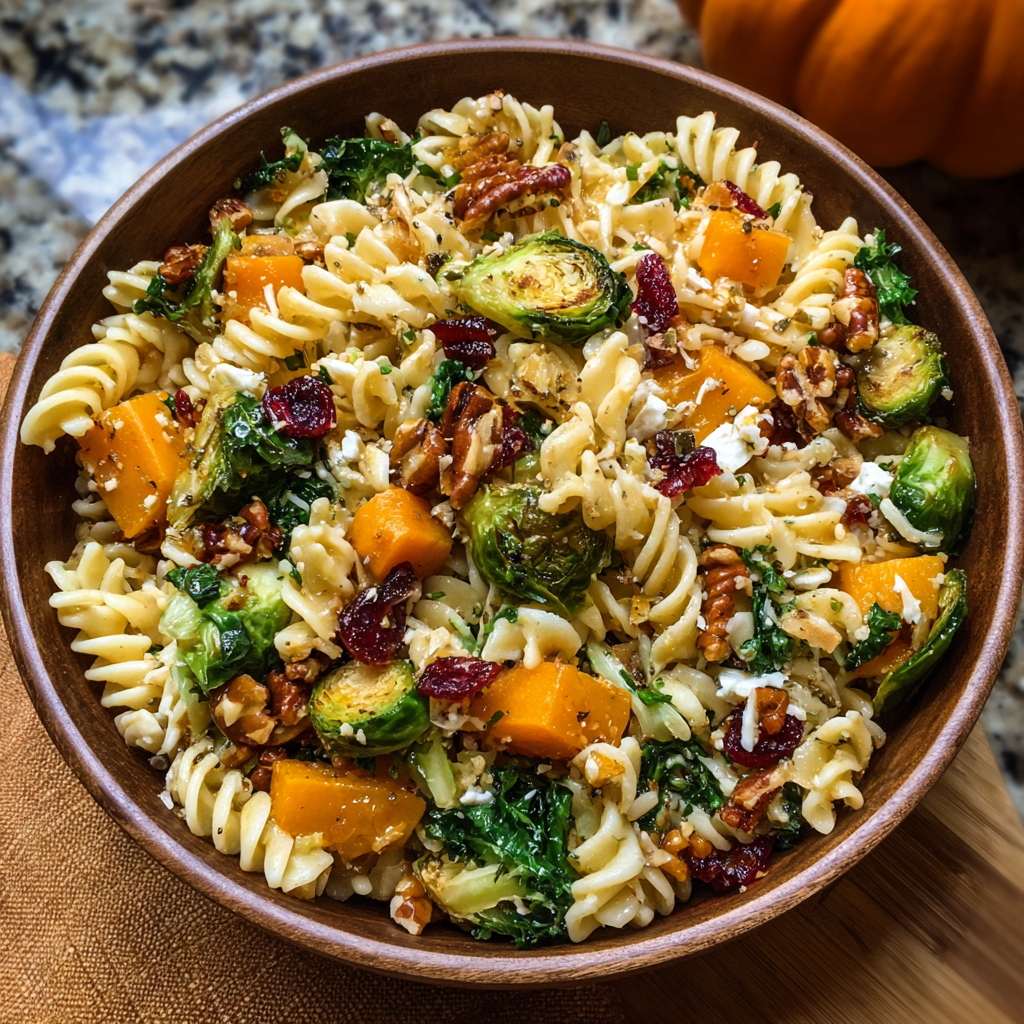
A cozy, colorful salad that celebrates autumn flavors — roasted butternut squash and Brussels sprouts tossed with pasta, cranberries, pecans, and tangy feta, finished with a balsamic vinaigrette.
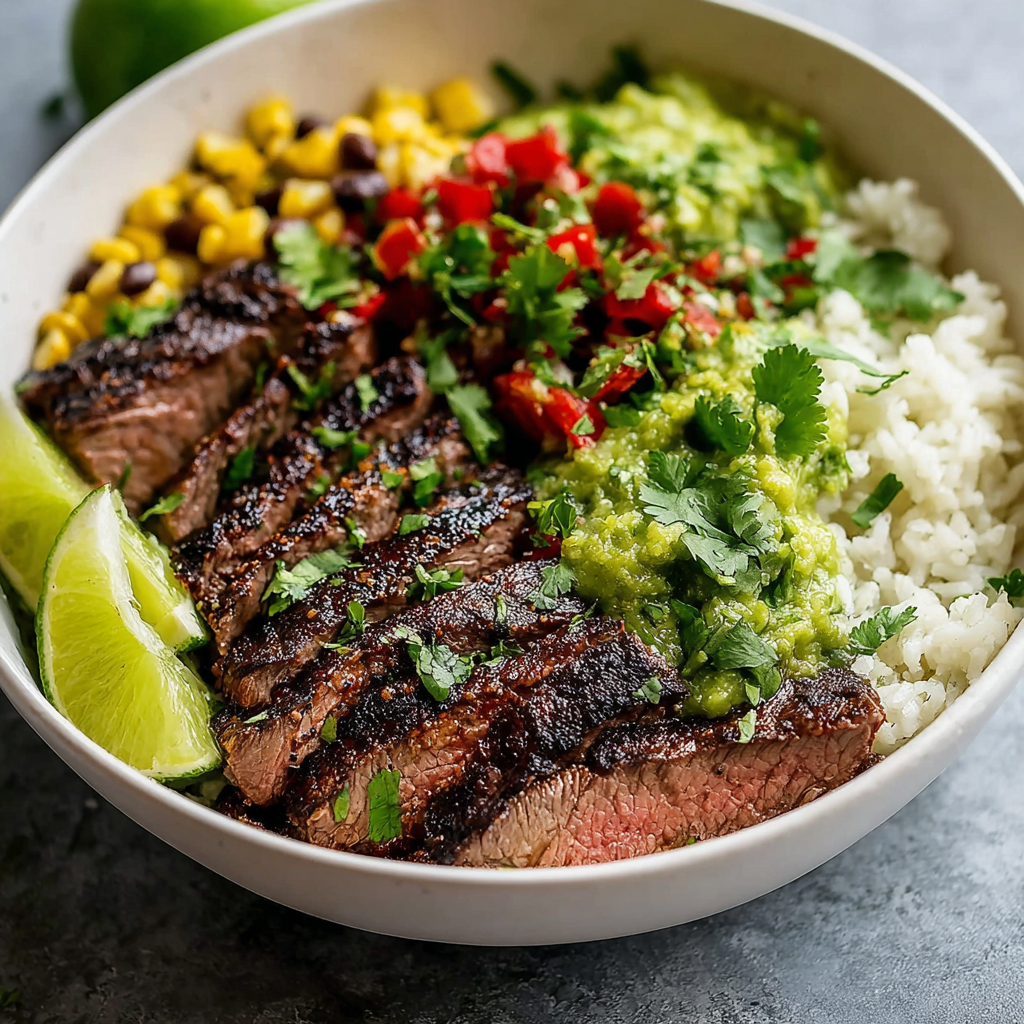
Bright, tangy cilantro-lime marinated flank steak served over rice with black beans, corn, fresh veggies and creamy avocado for a fast, healthy weeknight bowl.
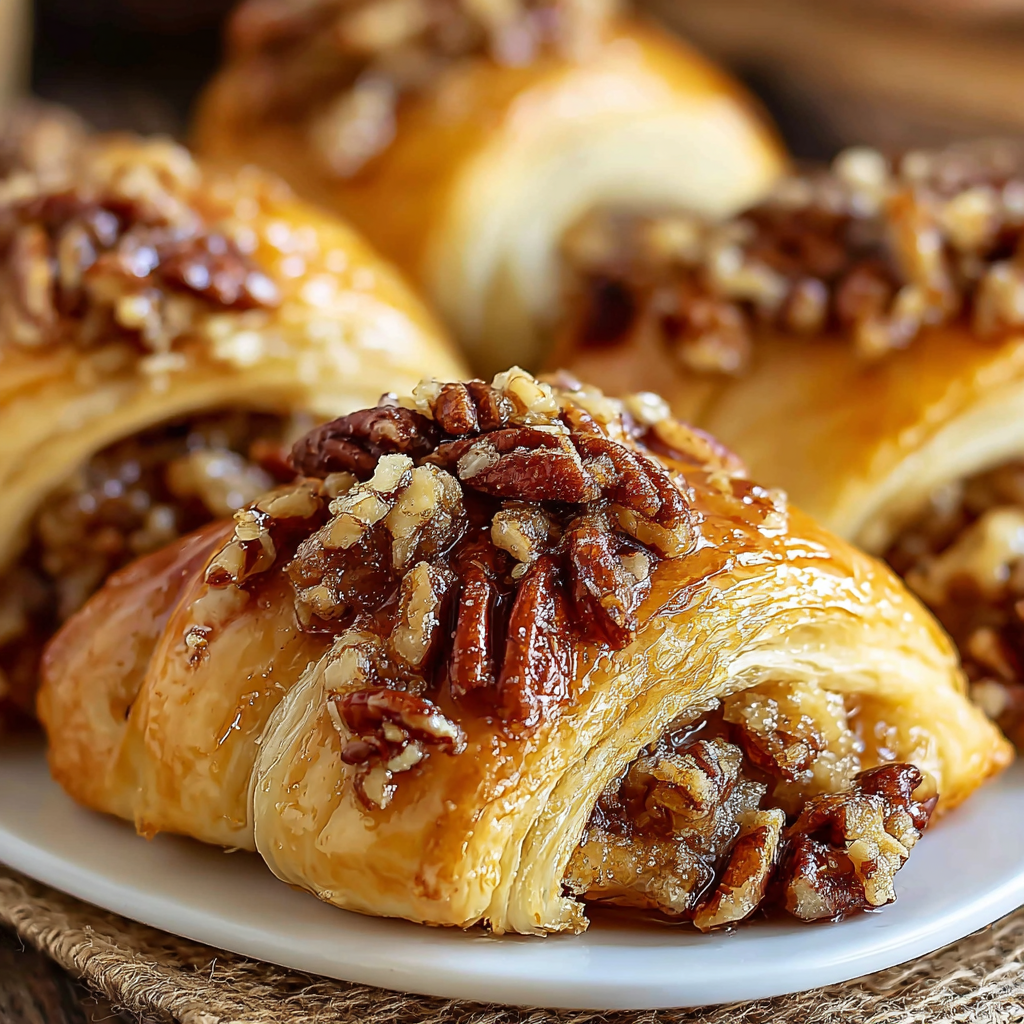
Buttery crescent rolls filled with a sweet pecan pie–inspired filling — a quick, crowd-pleasing dessert perfect for holidays or weeknight cravings.
Leave a comment & rating below or tag @aiolirecipe on social media!
Enjoyed this recipe? Share it with friends and family, and don't forget to leave a review!
This recipe looks amazing! Can't wait to try it.
Comments are stored locally in your browser. Server comments are displayed alongside your local comments.
Join to receive our email series which contains a round-up of some of our quick and easy family favorite recipes.