>>

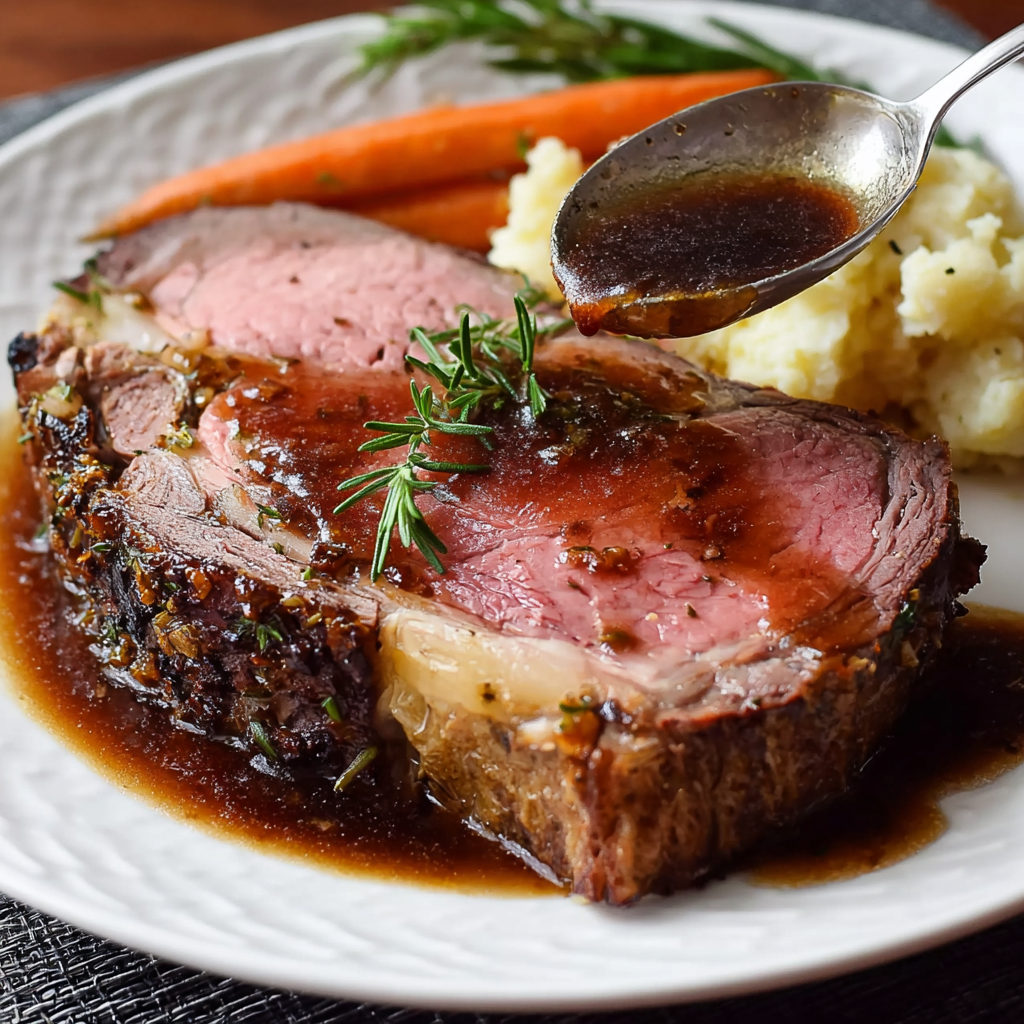
A glossy, savory au jus made from the pan drippings of roasted prime rib — simple deglazing, a splash of wine and beef stock, and a fragrant finish that elevates every slice.
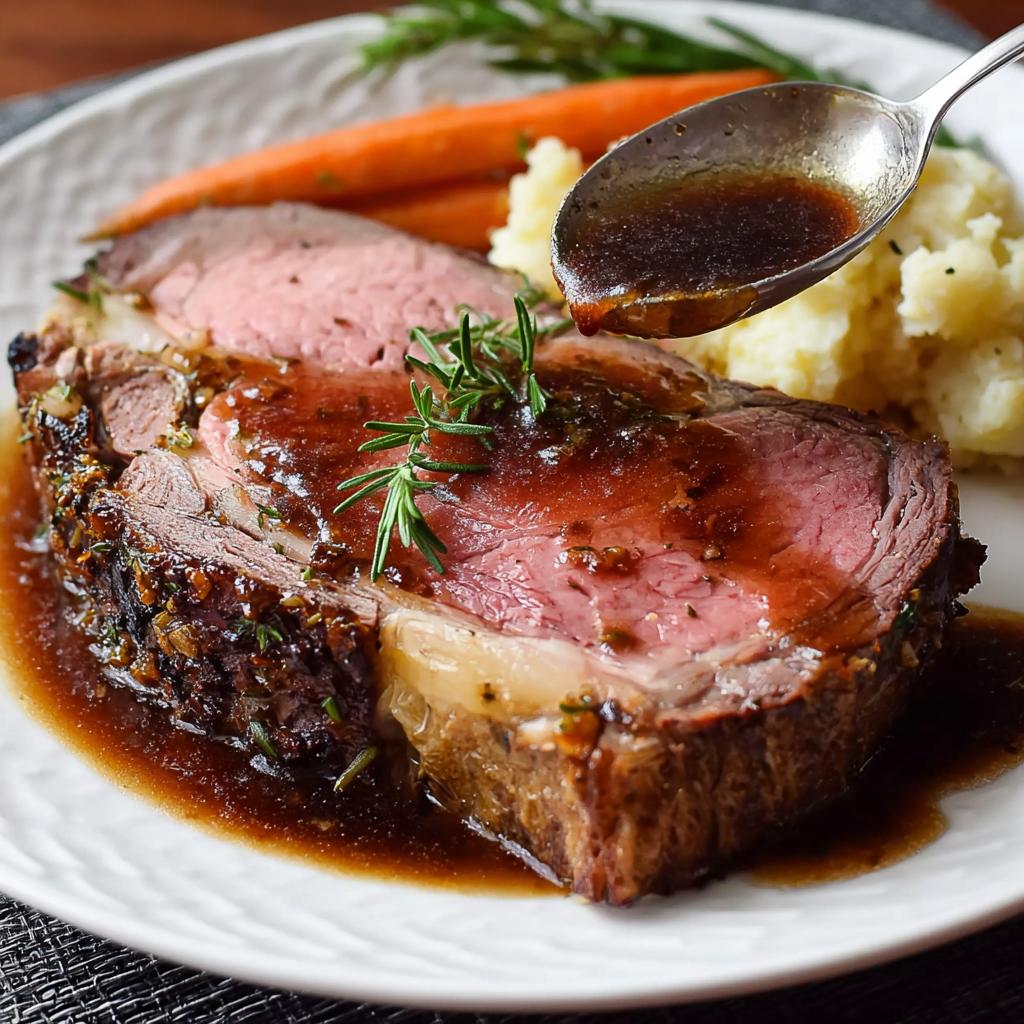
This au jus is the finishing touch that turns a great roast into a memorable meal. I first learned to make it the winter I hosted my first holiday roast; the oven had rewarded a well-marbled prime rib with deep browned fond at the bottom of the pan, and instead of pouring that goodness away I rescued it with warm broth and a little red wine. The result was an intense, beefy jus that made even the simplest slice taste indulgent. It clings to the meat, adding moisture and a glossy sheen without weighing down the palate.
What I love about this preparation is how effortless it is: the work is mostly done by the roast itself. The technique teaches you to read the pan—the color of the fond, the reduced aroma when the liquid hits the browned bits—and to coax those flavors into a light sauce that complements rather than overwhelms the prime rib. Over the years I've adjusted seasoning and added tiny extras like a bay leaf or a crushed garlic clove while it simmers. The first spoonful always brings everyone to the table, and that small ritual of passing the gravy boat feels like the best part of hosting.
My family always asks for this sauce when there is roast beef—my youngest dips every slice. Once, after a power outage, I reheated the roast on the grill and reheated the reserved jus in a pan; the flavorful combination still stole the show and reminded me that technique matters more than gadgets.
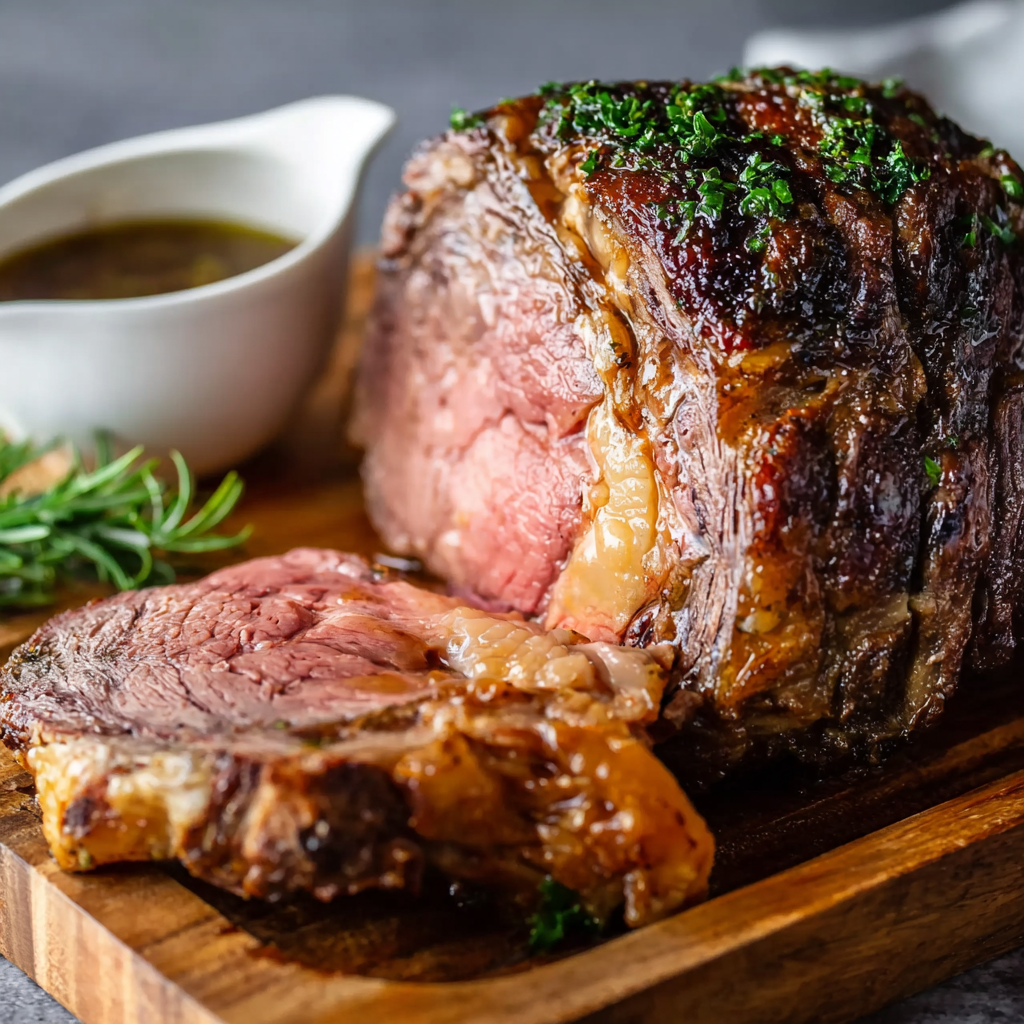
I love how this sauce highlights the roast rather than masking it. At a dinner once, an older guest commented that the jus tasted like the way her mother used to make roasts; little compliments like that remind me to keep techniques simple and respectful of great ingredients.
Cool the sauce quickly and transfer to a shallow container before refrigerating; this shortens chilling time and keeps the jus safe. In the fridge, use within 3 days. For longer storage, portion into freezer-safe containers or ice cube trays for single-serve thawing and freeze up to 3 months. To reheat, thaw overnight in the refrigerator and warm gently in a small saucepan over low heat, whisking to restore sheen. If the jus separates, a quick whisk with a teaspoon of butter (optional) or a splash of stock will re-emulsify it.
If you prefer no alcohol, replace wine with an equal amount of hot beef stock or a tablespoon of balsamic vinegar diluted in stock for acidity. For a gluten-free pan sauce, use tamari in place of soy. Skip garlic if serving to guests who dislike it; instead add a shallot sautéed briefly in the deglazed pan for a gentle oniony sweetness. For a lighter jus, carefully skim more fat from the drippings; for an ultra-rich sauce, reduce the liquid a little longer or stir in a teaspoon of butter at the end.
Serve the jus warmed in a gravy boat for passing, or spoon a small amount directly over carved slices to keep presentation tidy. Pair with classic sides such as creamy mashed potatoes, roasted root vegetables, or a crisp green salad to cut richness. A sprinkle of chopped fresh parsley on the finished plated slice adds color and a fresh herb lift. For a festive table, set small ramekins of jus at place settings for personal dipping bowls.
The idea of serving roasted beef with its natural juices has roots in classic European roast preparations, where the fond and drippings were valued for their concentrated flavor. Au jus—the French term meaning "with juice"—is lighter than a thickened gravy and emphasizes the meat’s inherent taste. Over time, American holiday traditions adopted and simplified the technique, focusing on fast deglazing and light reductions to complement well-aged, marbled cuts like prime rib.
In winter, deepen the jus with a splash of port or a small spoon of reduced balsamic for seasonal warmth. In summer, keep it lighter by using only stock and fresh thyme. For holidays, add a single peeled roasted shallot or a few roasted garlic cloves before straining for an elegant aroma; for a spring dinner, finish with a tiny squeeze of lemon just before serving to brighten the flavor.
If you plan ahead, reserve the pan drippings in a jar in the refrigerator the day before serving to let the fat solidify on top for easy skimming. Make a concentrated jus base from stock and aromatics that you can reheat and finish with fresh drippings just before serving—this speeds up service and ensures the jus tastes freshly made. Label frozen portions with date and portion size so you can pull exactly what you need for quick meals later.
Bringing it all together, this simple au jus is a small technique that pays big dividends. Whether it's a holiday roast or a quiet Sunday dinner, a spoonful of well-made jus elevates each bite and makes the meal feel finished. Give it a try the next time you roast beef—the results often spark the best kind of conversation at the table.
Skim fat after the drippings settle to control richness while keeping flavor.
Deglaze the pan over medium heat to lift fond without burning; add liquid in small amounts.
Taste after straining before adding salt; concentrated stock and Worcestershire add sodium.
If the jus is too strong, dilute with hot beef stock a tablespoon at a time until balanced.
This nourishing prime rib au jus recipe is sure to be a staple in your kitchen. Enjoy every moist, high protein slice — it is perfect for breakfast or as a wholesome snack any time.
This Prime Rib au Jus recipe makes perfectly juicy, tender, and flavorful steak every time! Serve with potatoes and a side salad for an unforgettable dinner in under 30 minutes.
Pour the pan drippings into a heat-safe container after roasting. Let settle for a few minutes and skim excess fat, leaving 1 to 2 tablespoons for flavor and mouthfeel.
Place the roasting pan over medium heat, add 1/4 to 1/2 cup red wine or 1/4 cup broth, and scrape up browned bits with a wooden spoon until the liquid is tinted and aromatic.
Combine deglazed pan juices with 1 to 2 cups beef stock in a saucepan. Add 1 to 2 teaspoons Worcestershire or soy sauce, optional crushed garlic, and a thyme sprig or bay leaf.
Bring to a gentle simmer and cook 5–10 minutes to reduce slightly and develop flavor. Avoid hard boiling to maintain a light consistency.
Strain through a fine-mesh strainer into a serving vessel, pressing solids to release flavor. Taste and adjust with salt and pepper; thin with stock if overly strong.
Keep warm and serve alongside sliced prime rib for dipping or spooning over each portion. Refrigerate leftovers promptly.
Last Step: Please leave a rating and comment letting us know how you liked this recipe! This helps our business to thrive and continue providing free, high-quality recipes for you.
Leave a comment & rating below or tag
@aiolirecipe on social media!
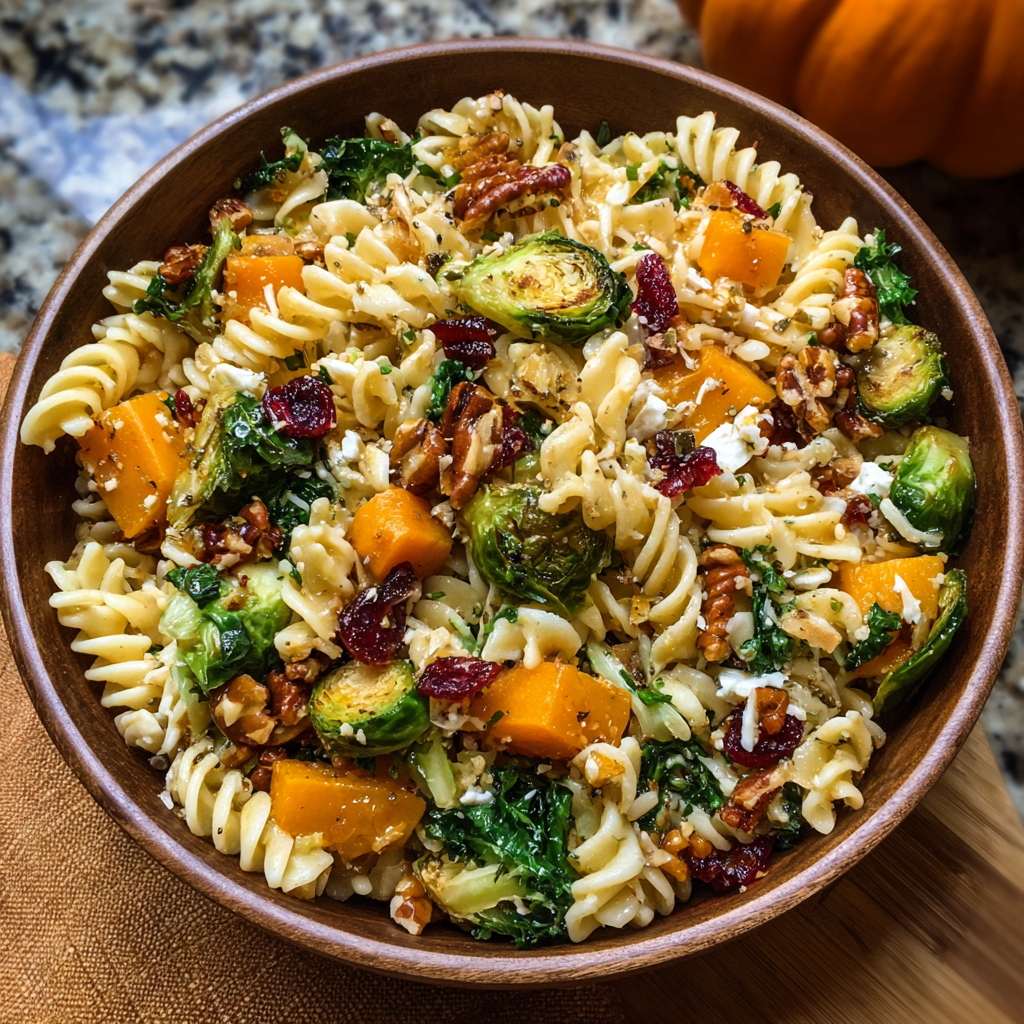
A cozy, colorful salad that celebrates autumn flavors — roasted butternut squash and Brussels sprouts tossed with pasta, cranberries, pecans, and tangy feta, finished with a balsamic vinaigrette.
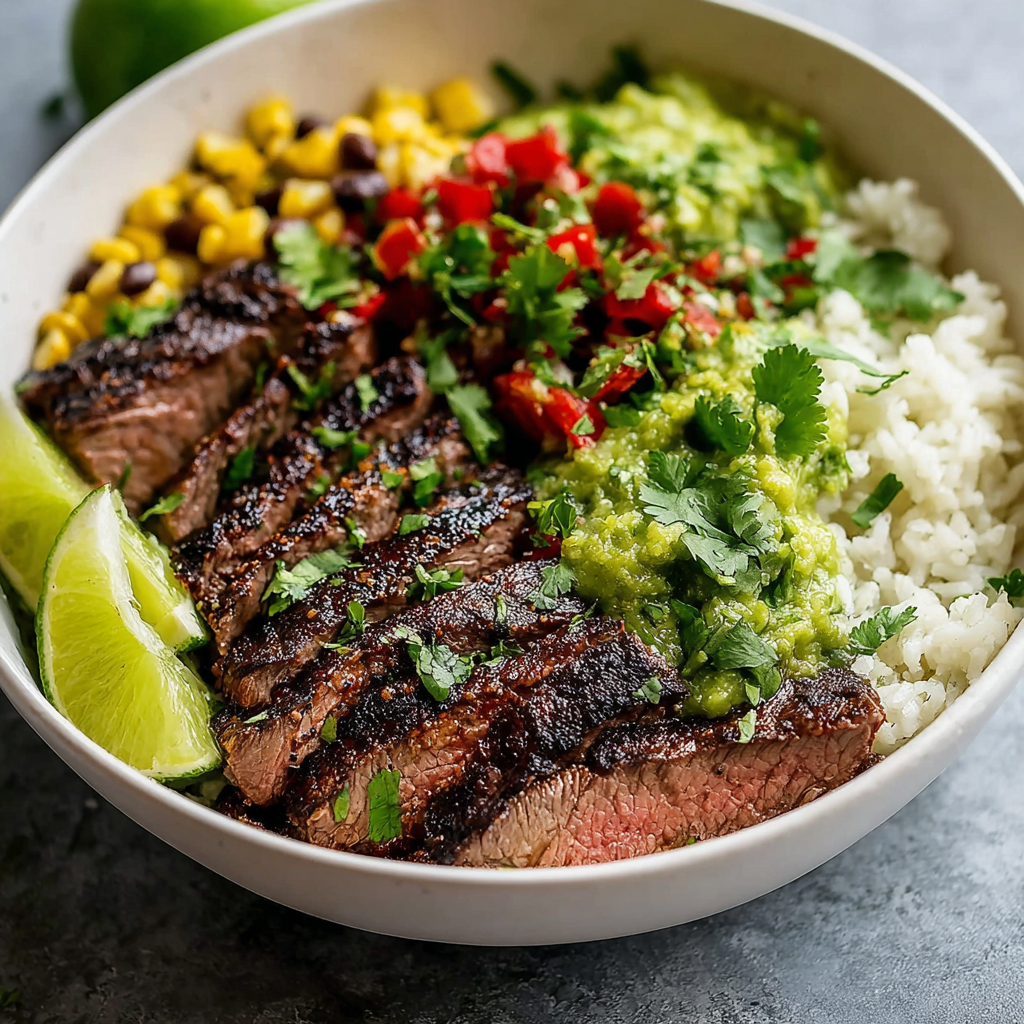
Bright, tangy cilantro-lime marinated flank steak served over rice with black beans, corn, fresh veggies and creamy avocado for a fast, healthy weeknight bowl.
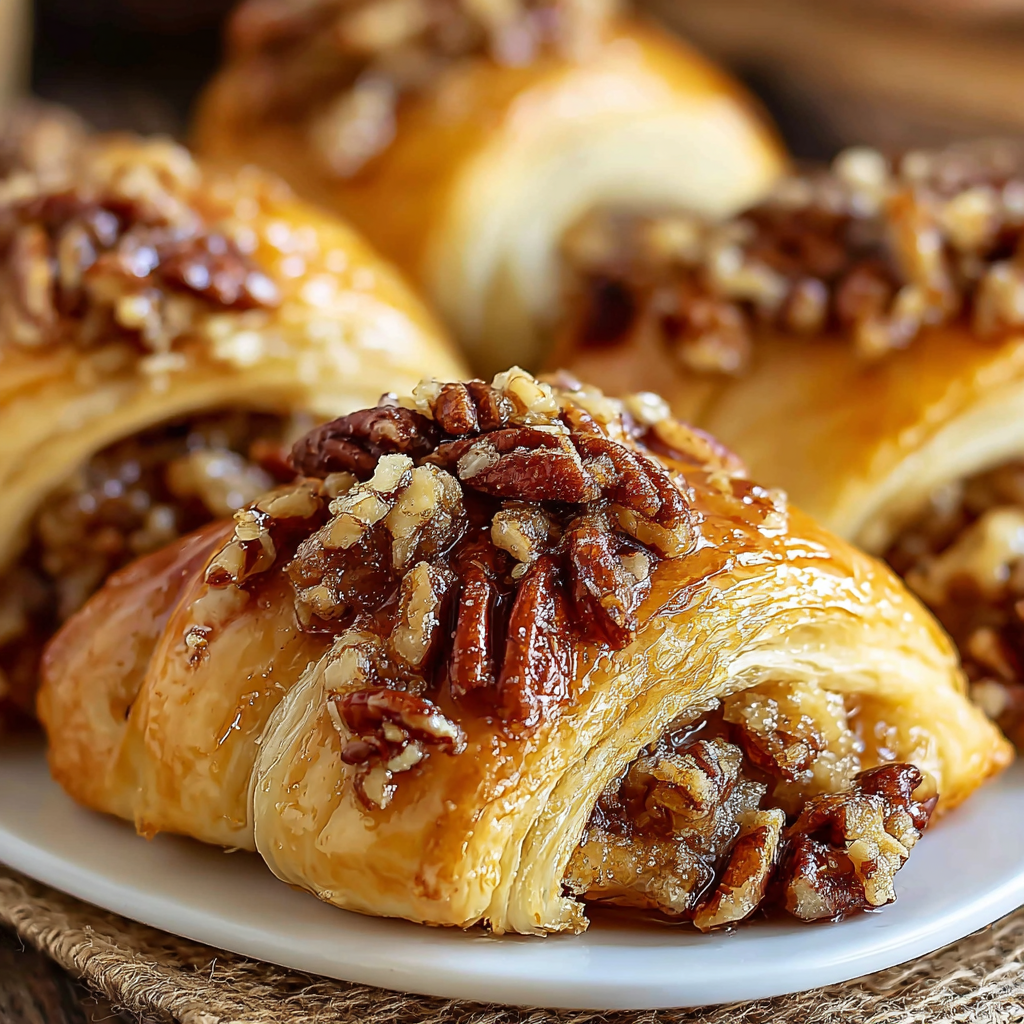
Buttery crescent rolls filled with a sweet pecan pie–inspired filling — a quick, crowd-pleasing dessert perfect for holidays or weeknight cravings.
Leave a comment & rating below or tag @aiolirecipe on social media!
Enjoyed this recipe? Share it with friends and family, and don't forget to leave a review!
This recipe looks amazing! Can't wait to try it.
Comments are stored locally in your browser. Server comments are displayed alongside your local comments.
Join to receive our email series which contains a round-up of some of our quick and easy family favorite recipes.