
>>

Bright, buttery lemon squares baked in an 8x8 pan — tender crumb, vibrant citrus notes, and simple ingredients that come together in under an hour.

This lemon cake has been a sunshine-filled staple in my kitchen ever since I first baked a batch on a rain-soaked spring afternoon. I discovered this combination when I wanted something simple that would lift the mood — bright, tart lemon cutting through a tender, buttery base. The crumb is fine and moist, the top is lightly golden, and the lemon flavor comes through in a clean, uncomplicated way that makes each bite feel like spring. I often make it as an after-school treat, and the house fills with a fragrance that makes everyone gravitate to the oven.
What I love most is how approachable it is: pantry-friendly ingredients, a straightforward technique, and predictable results even when life is busy. This recipe was adapted from a family note passed down by a neighbor who insisted that less fuss yields better texture — and she was right. The cake balances sweetness and acidity; the lemon juice provides zip while the zest delivers aromatic oils that linger on the palate. Serve it slightly warm or at room temperature for the best texture.
On first sharing this with my family, my son declared it his "official spring cake," and my mother told me it reminded her of a bakery treat she used to buy decades ago. We’ve served it at potlucks and quiet Sunday breakfasts; every time it vanishes quickly. The combination of butter richness and lemon brightness always sparks compliments and requests for the recipe.

My favorite aspect is the way the lemon scent fills the kitchen — it’s instantly cheering. One spring I made two pans back-to-back for a book club: some members asked for the recipe by the end of the evening, and one friend brought a jar of her grandmother’s marmalade to pair with the cake because she loved the bright contrast. Those little dining moments are what make simple baking feel celebratory.

For short-term storage, keep slices in an airtight container at room temperature for 1–2 days. If your kitchen is warm, refrigerate to avoid spoilage; cake will firm slightly but remains pleasant when returned to room temperature. Wrap tightly in plastic and foil for longer storage and freeze for up to 3 months; thaw overnight in the refrigerator and then sit at room temperature for 30–60 minutes before serving. Use shallow, airtight containers for single-serve portions to minimize condensation and preserve texture.
If you don’t have whole milk, use 2% with excellent results, or substitute an equal amount of buttermilk for a slightly tangier, softer crumb — reduce the lemon juice by 1 tablespoon if you use buttermilk to avoid over-acidifying. Swap unsalted butter for salted if needed, but reduce added salt to 1/4 teaspoon. For a dairy-free version, use a plant-based butter and almond or oat milk; note that the texture will be subtly different. For a gluten-free option, use a 1:1 gluten-free flour blend and allow a slightly longer baking time.
Serve simple squares dusted with powdered sugar for a café-style presentation, or top with a lemon glaze made from 1 cup powdered sugar mixed with 1–2 tablespoons fresh lemon juice for a shiny finish. Pair with a dollop of whipped cream or a scoop of vanilla ice cream for dessert, or serve alongside a salad and tea for an elegant brunch. Garnish with thin lemon slices, a few mint leaves, or toasted almonds for texture. Small squares work beautifully on dessert platters for gatherings.
Simple lemon-flavored bakes have roots across Europe; the use of citrus in cakes became more common after lemons became widely available in home markets. This style — a dense, buttery tray bake with citrus — echoes Mediterranean and British home-baking traditions where lemon is used to brighten rich batters. Tray-style cakes are practical, economical, and adaptable, making them staples in many cultures for everyday desserts and celebratory teas alike.
In spring and summer emphasize fresh citrus: increase zest to 2 tablespoons for a more aromatic top note. In winter, consider adding a teaspoon of ground cardamom or a tablespoon of orange juice with the lemon to create warmth while keeping the bright character. For holidays, top with a citrus-spiked cream cheese frosting or scatter sugared cranberries and rosemary sprigs for festive flair.
To prep ahead, bake the cake and cool completely, then cut into squares and store in single layers separated by parchment in an airtight container. Portion into individual containers for grab-and-go snacks, refrigerate, and consume within five days. For freezer-friendly packing, individually wrap squares in plastic wrap and place in a freezer bag; thaw individual portions quickly by microwaving 10–15 seconds or letting sit at room temperature for 30 minutes.
Simple, reliable, and bright — this lemon cake is one of those recipes I return to when I want something comforting yet lively. It’s forgiving, adaptable, and always welcomes improvisation. I hope it becomes a small tradition in your home as it did in mine.
Use room-temperature eggs and butter for a smoother emulsion and even texture.
Zest before juicing the lemons to maximize aromatic oils and avoid waste.
Do not overmix after adding flour; stop once the batter is homogenous for a tender crumb.
Allow the cake to cool briefly in the pan to set before unmolding to prevent breakage.
This nourishing lemon cakes: a tangy treat recipe is sure to be a staple in your kitchen. Enjoy every moist, high protein slice — it is perfect for breakfast or as a wholesome snack any time.
This Lemon Cakes: A Tangy Treat recipe makes perfectly juicy, tender, and flavorful steak every time! Serve with potatoes and a side salad for an unforgettable dinner in under 30 minutes.
Preheat oven to 350°F (175°C). Grease and flour an 8x8 inch baking dish or line it with parchment leaving an overhang for easy removal.
Cream softened butter and granulated sugar together until pale and fluffy, about 2–3 minutes with a mixer on medium speed. Scrape the bowl as needed.
Beat in eggs one at a time, mixing well after each addition, then stir in vanilla extract until combined.
Whisk flour, baking powder, and salt in a separate bowl to evenly distribute the leavening agents.
Add the flour mixture to the creamed mixture in three additions, alternating with the milk in two additions, beginning and ending with flour. Mix until just combined.
Fold in the fresh lemon juice and lemon zest gently until evenly mixed, taking care not to overwork the batter.
Pour batter into prepared pan and smooth the top. Bake for about 25 minutes, or until a toothpick inserted in the center comes out clean. Rotate the pan halfway if necessary.
Cool in the pan for 10 minutes, then lift the cake out with the parchment and transfer to a wire rack to cool completely before slicing.
Last Step: Please leave a rating and comment letting us know how you liked this recipe! This helps our business to thrive and continue providing free, high-quality recipes for you.
Leave a comment & rating below or tag
@aiolirecipe on social media!
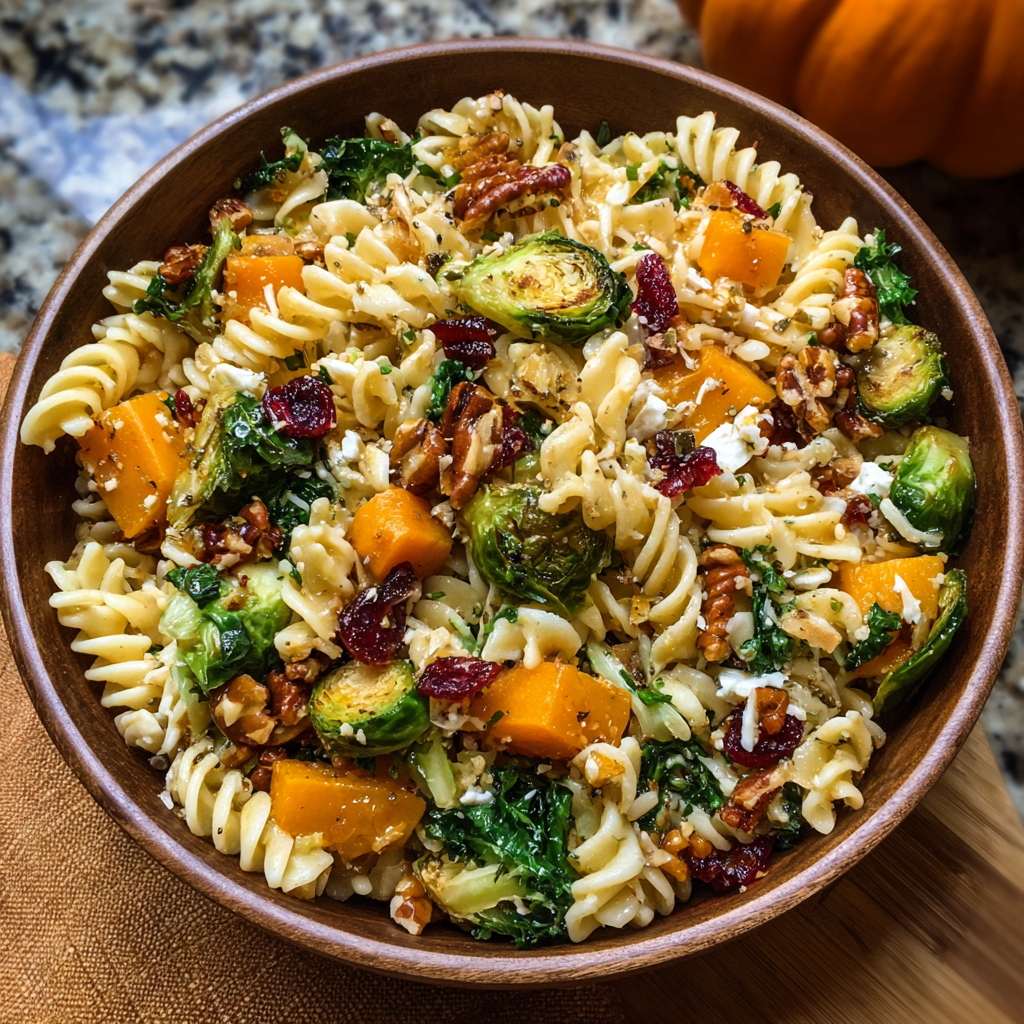
A cozy, colorful salad that celebrates autumn flavors — roasted butternut squash and Brussels sprouts tossed with pasta, cranberries, pecans, and tangy feta, finished with a balsamic vinaigrette.

Bright, tangy cilantro-lime marinated flank steak served over rice with black beans, corn, fresh veggies and creamy avocado for a fast, healthy weeknight bowl.

Buttery crescent rolls filled with a sweet pecan pie–inspired filling — a quick, crowd-pleasing dessert perfect for holidays or weeknight cravings.
Leave a comment & rating below or tag @aiolirecipe on social media!
Enjoyed this recipe? Share it with friends and family, and don't forget to leave a review!
This recipe looks amazing! Can't wait to try it.
Comments are stored locally in your browser. Server comments are displayed alongside your local comments.
Join to receive our email series which contains a round-up of some of our quick and easy family favorite recipes.